TL;DR
India now stands on the edge of a new chapter in corporate responsibility. In just ten years, the landscape has changed completely from the landmark Section 135 of the Companies Act in 2013 to the far more data-heavy Business Responsibility and Sustainability Reporting (BRSR) framework introduced more recently. Together, these changes are reshaping how companies handle CSR. For the top 1,000 firms under SEBI’s watch, sticking with manual, one-off reports is no longer enough. Automation and real-time reporting are quickly becoming the norm not just for compliance, but also to manage risks and win the confidence of global investors. The old model of narrative-driven CSR reports is fading. In its place is an expectation for continuous, verifiable data where non-financial performance is measured with the same discipline as financial results.
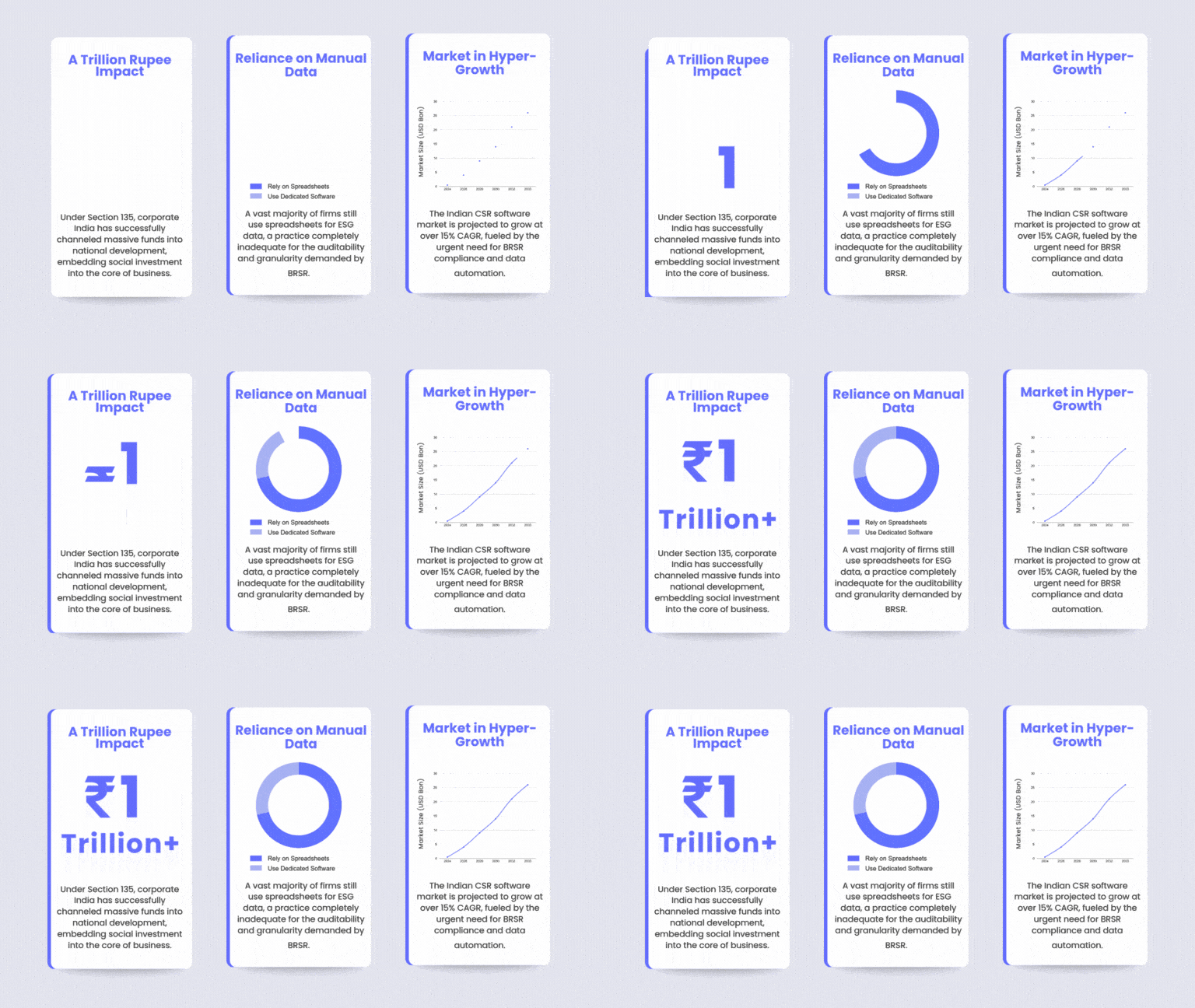
That said, there’s still a big gap between how prepared companies think they are and how prepared they actually are. Section 135 may be widely followed, but that doesn’t mean companies are ready for the finer demands of BRSR. Spreadsheets are still the default for tracking sustainability data in a lot of companies. The problem? They’re error-prone, inefficient, and don’t hold up well in an audit. Which means compliance often looks solid on the surface but falls apart underneath. At the same time, India’s CSR and ESG software industry is gaining momentum, projected to grow at an annual rate exceeding 15%. These platforms now go far beyond data collection. They offer insights that can link a company’s actions to national priorities and global investor expectations. But technology alone won’t solve the problem. Companies also need strong data governance and, perhaps most importantly, a clear change management strategy to make it all work. The future of reporting won’t look anything like the past. With AI, companies can move beyond after-the-fact reports and manage ESG in real time. Add blockchain to the mix, and you get transparent, unbreakable audit trails, exactly what’s needed in supply chains as complex as those in agriculture or textiles.
**The message is clear: act now. **Start with an honest audit of your current data practices. Identify the gaps, establish a governance framework, and then move toward automation step by step. I would like to make a slightly controversial statement: Implementation automation in CSR isn’t just another compliance task, but should be viewed as a strategic investment, one that builds resilience, enhances global credibility, and positions Indian companies as key contributors to the country’s sustainable development goals.
1: The New Indian Imperative: From Compliance to Data-Driven Strategy
India’s attitude toward corporate responsibility has shifted fast. Not long ago, companies could get away with donating to a few schools or hospitals maybe sponsoring a charity event and that was that. Now, things are a lot more serious. Regulators expect concrete action, investors want proof, and the public is paying close attention. By 2025, digital-first CSR and ESG reporting won’t just be a nice-to-have it’ll be mandatory. Any brand that doesn’t keep pace risks being left behind, or worse, pushed out of the market altogether.
1.1 The State of Play: India's Leadership and the Looming Preparedness Illusion
India became one of the first countries to make corporate social responsibility a legal requirement, and it’s had a huge impact. Under Section 135 of the Companies Act, 2013, certain companies must set aside 2% of their average net profits for CSR projects. And the results speak for themselves in a little over ten years, corporate India channelled over ₹1 trillion into social and developmental work, from building schools to improving healthcare, proving how powerful businesses can be in driving change.
The new frontier in corporate reporting is the BRSR framework, which SEBI has made mandatory for India’s top 1,000 listed companies. Unlike Section 135, which was all about how much companies spent, BRSR raises the bar by asking for detailed, quantifiable disclosures on ESG performance.
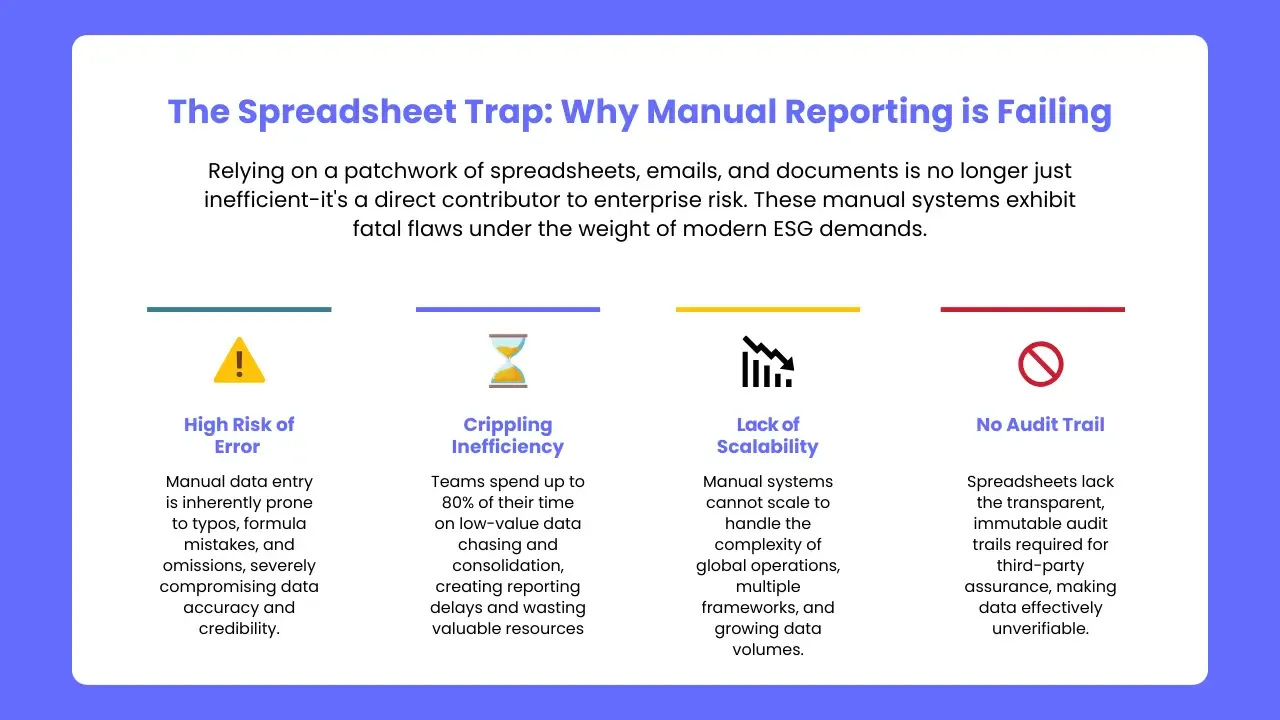
This is where the real disconnect lies. Companies may be comfortable reporting how much they spend on CSR, but their data systems often fall short of what the BRSR demands. In most cases, ESG information is still pieced together manually in spreadsheets, a fragile, fragmented process. This creates what can be called a ‘preparedness illusion’: the assumption that meeting Section 135 automatically means readiness for BRSR. In reality, many firms are heading toward non-compliance, exposing themselves to regulatory penalties, investor pushback, and reputational risk.
1.2 The Regulatory Catalyst: How BRSR Changes Everything
The BRSR framework is, without question, the main force propelling the digital overhaul of CSR practices in India right now. It doesn’t just raise the bar for sustainability reporting it sets an entirely new standard, pushing companies to apply the same level of precision and seriousness that’s expected from financial disclosures. Basically, it’s moved sustainability out of the PR zone and into the boardroom, making transparency and accountability non-negotiable. With BRSR in play, sustainability reporting isn’t just a PR move anymore it’s taken as seriously as your numbers in the annual report. Companies are on the hook to keep their data tight, current, and always prepared for scrutiny. No room for slip-ups or half-baked info. That’s a big shift. Instead of relying on narrative-driven reports, businesses now have to disclose hundreds of verifiable data points across everything from environmental impact and waste management to diversity, employee well-being, and corporate governance. Furthermore, the directive's core concept of "double materiality" requires a far more sophisticated data collection and analysis capability. Companies must assess not only how ESG issues create financial risks and opportunities for their business (financial materiality) but also their own impact on society and the environment (impact materiality). Manually collecting, managing, and assuring this volume and complexity of data is practically impossible, making automation an unavoidable necessity for the top 1000 Indian companies and a best practice for all others.
1.3 The Stakeholder Revolution: A Mandate from Markets, Consumers, and Talent
These days, everyone from regulators to investors is demanding more transparency, and ESG performance is right at the centre of it all. If a company isn’t on top of its ESG reporting, it’s basically shooting itself in the foot. ESG disclosures have become a staple for investment analysis, especially for global investors, who won’t even consider a company unless those boxes are checked. It’s not just a trend; it’s the new standard for valuing a business. ESG reporting has moved way beyond just a marketing play; it’s now critical if you want to secure capital and boost your company’s valuation. Solid, auditable data isn’t optional anymore; it’s a must if you want to steer clear of legal headaches and financial fallout from accusations of greenwashing. Bottom line: authenticity matters. Regulators, investors, customers, even your own team, yeah, everyone’s watching closely. If you’re not genuine, you’re putting a whole lot more on the line than just your reputation. Young Indian consumers? They’re sharp. They want brands that actually live by their values, not just talk about them. And on the employee side, CSR isn’t just a nice-to-have. It helps you attract and keep top talent, especially with a younger workforce. When people see their company stands for something real, engagement and loyalty go up. Simple as that.
2: Building the Business Case: Quantifying the ROI of CSR Automation
Look, a ton of Indian companies are diving into CSR automation just because BRSR says they have to. But here’s where the plot twists: if you only see automation as another compliance line item, you’re selling it short. Sure, it checks regulatory boxes and keeps the paperwork police happy, but that’s just the surface. Nail automation, and suddenly you’re freeing up teams from tedious manual work, slashing errors, and dodging costly slip-ups. Plus, and this is the kicker, you unlock actual strategic perks most companies don’t even notice. In the end, it’s one of those rare investments that actually pays for itself and then some.
2.1 Hard ROI: Measuring Tangible Savings
The most direct financial benefits of automation come from eliminating the immense inefficiencies of manual, spreadsheet-based processes.
-
Reduced Labour Costs: The most significant saving is in person-hours. Teams often spend up to 80% of their time on low-value data chasing and consolidation. Automating the process can save companies a significant amount of time, often thousands of hours each year. Even for a mid-sized team, the savings can run into crores every year. But it’s not just about cutting costs. Free your people from repetitive tasks, and you’ll be amazed at how much energy and focus they bring to the big decisions that actually matter.
-
Elimination of Error-Related Costs: Anyone who’s spent time buried in manual reporting knows how easy it is for errors to pop up and how seriously they can hurt. One wrong number in emissions? That’s a regulatory headache and possibly a hefty fine. Mess up a social metric and you’re not just fixing spreadsheets; you’re patching up trust with investors. Automation steps in here like the ultimate safety net. It avoids the risk of human error, saves real money, and keeps your company’s reputation intact. Why risk it when you can automate and breathe easier?
-
Reducing Audit and Assurance Expenses: A Manual ESG audit with just spreadsheets is a recipe for frustration and wasted time. You’re chasing down data sources, sorting through endless email threads, and hoping nothing falls through the cracks. An automated reporting platform changes the game completely. Instead of digging through messy files, the built-in audit trail keeps things clear and traceable. Basically, you get efficiency and peace of mind without the usual hassle.

2.2 Soft ROI: Unlocking Strategic Value
Let’s not kid ourselves cost savings are great, but automation’s true value runs deeper. It’s your ticket to future-proofing the business, especially when the market throws a wrench in the works.
-
Enhanced Brand and Reputation: Brand reputation? That’s where the real competitive edge lies. People are tired of faceless corporations obsessed with the bottom line. They want to see a company’s values in action, not just in some polished report collecting dust. So, when you invest in real, transparent CSR and actually show your progress (warts and all), you move beyond just checking a box. You build trust, and in business, trust is everything. Customers stick around for brands they actually believe in. That loyalty? It drives growth and earns respect in the market. Basically, automation isn’t just about efficiency; it’s a power move for long-term value and resilience.
-
Improved Talent Acquisition and Retention: In India’s ultra-competitive job market, a solid CSR strategy isn’t just about polishing your brand; it’s a serious advantage when it comes to attracting top talent. People want to work for companies with real values, not just flashy perks. When employees have straightforward, meaningful ways to get involved, whether that’s volunteering or charitable giving, they start to actually care about the company’s mission. That sense of connection? It fuels higher morale, stronger job satisfaction, and, honestly, people stick around longer. In the end, it’s a smart move for any business that wants to keep its best people on board.
-
Increased Access to Capital: These days, investors, whether they’re global giants or local players, are seriously dialling up their focus on ESG performance. If your company can deliver solid, transparent ESG data in real time, you’re not just ticking a box. You’re signalling stability and good management, which makes you stand out. Bottom line? Investors see you as a safer bet, so you attract more capital and usually at a lower cost. That’s a win for your balance sheet.
-
Proactive Risk Management: Real-time dashboards give companies the upper hand; they’ll spot things like a sudden spike in water use at a facility, especially in areas where every drop counts, before it snowballs into something ugly. That kind of early warning system is honestly what sets apart companies that take ESG risk seriously from those just hoping for the best. In business, being ready beats being sorry every single time.
3: Navigating the Indian CSR Software Market
The CSR and ESG software market in India is evolving very fast. Companies can’t afford to sit back; keeping up with new trends is crucial. It’s about zeroing in on features that actually move the needle for your business, and then making a call: do you stick with established international platforms, or give one of the ambitious local players a shot? The market’s dynamic, and getting this decision right could seriously impact your company’s ESG journey.
3.1 Market Overview: A Sector in Hyper-Growth
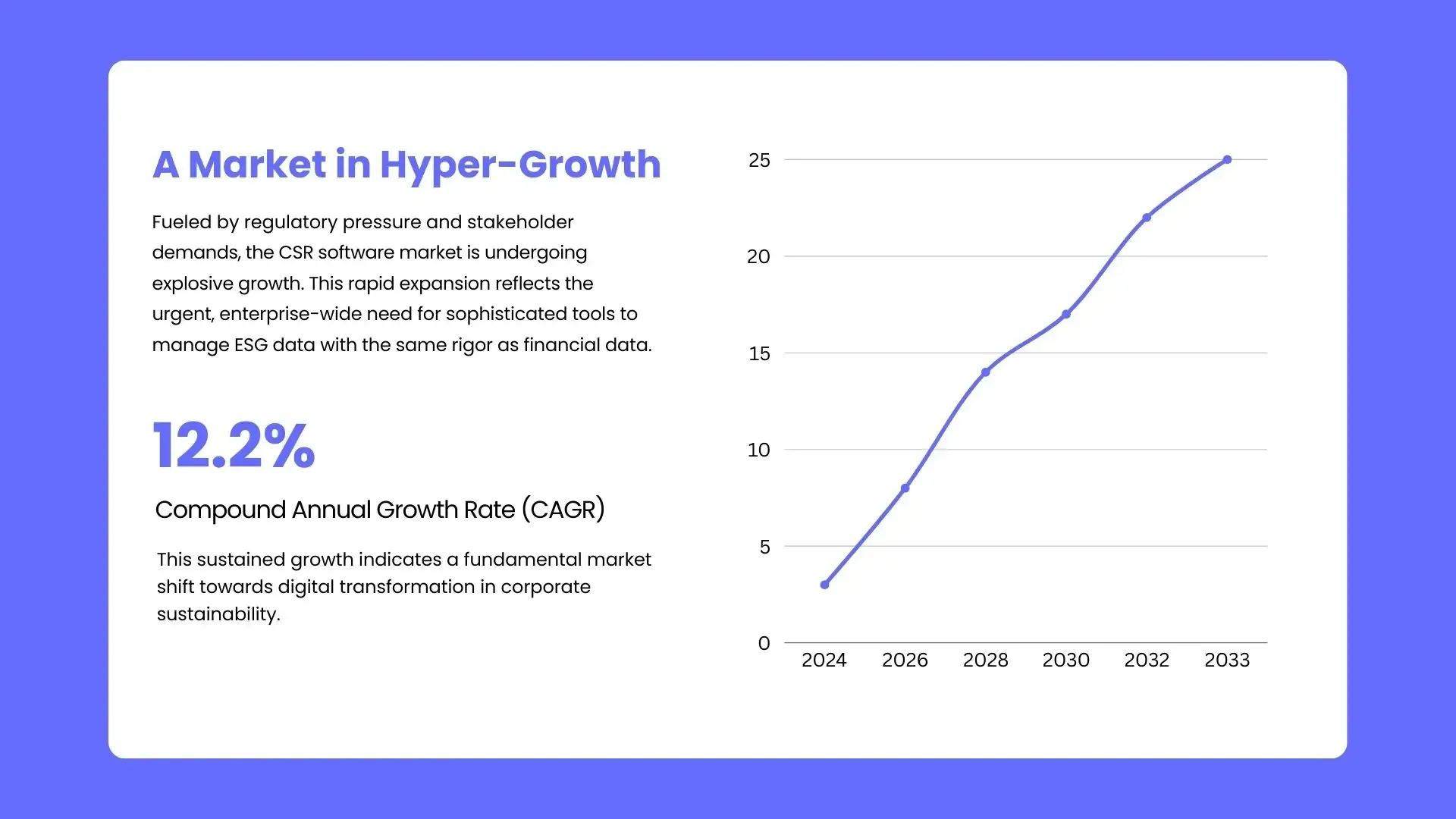
Ever since the BRSR mandate came into play, the Indian CSR and ESG software market has been in overdrive. The top 1000 listed companies, plus, let’s be real, pretty much their entire supply chains, are hustling to get their digital compliance game together. The market’s on track for some wild growth, easily topping 15% CAGR. What’s really driving this? It’s those cloud-based SaaS solutions. They’re flexible, easy to scale, and let’s face it, way more cost-effective for India’s diverse corporate crowd. If you’re not investing in SaaS now, you’re probably missing out on the action.
3.2 Essential Platform Features for the Indian Context
While many core features are universal, certain functionalities are particularly critical for Indian companies:
-
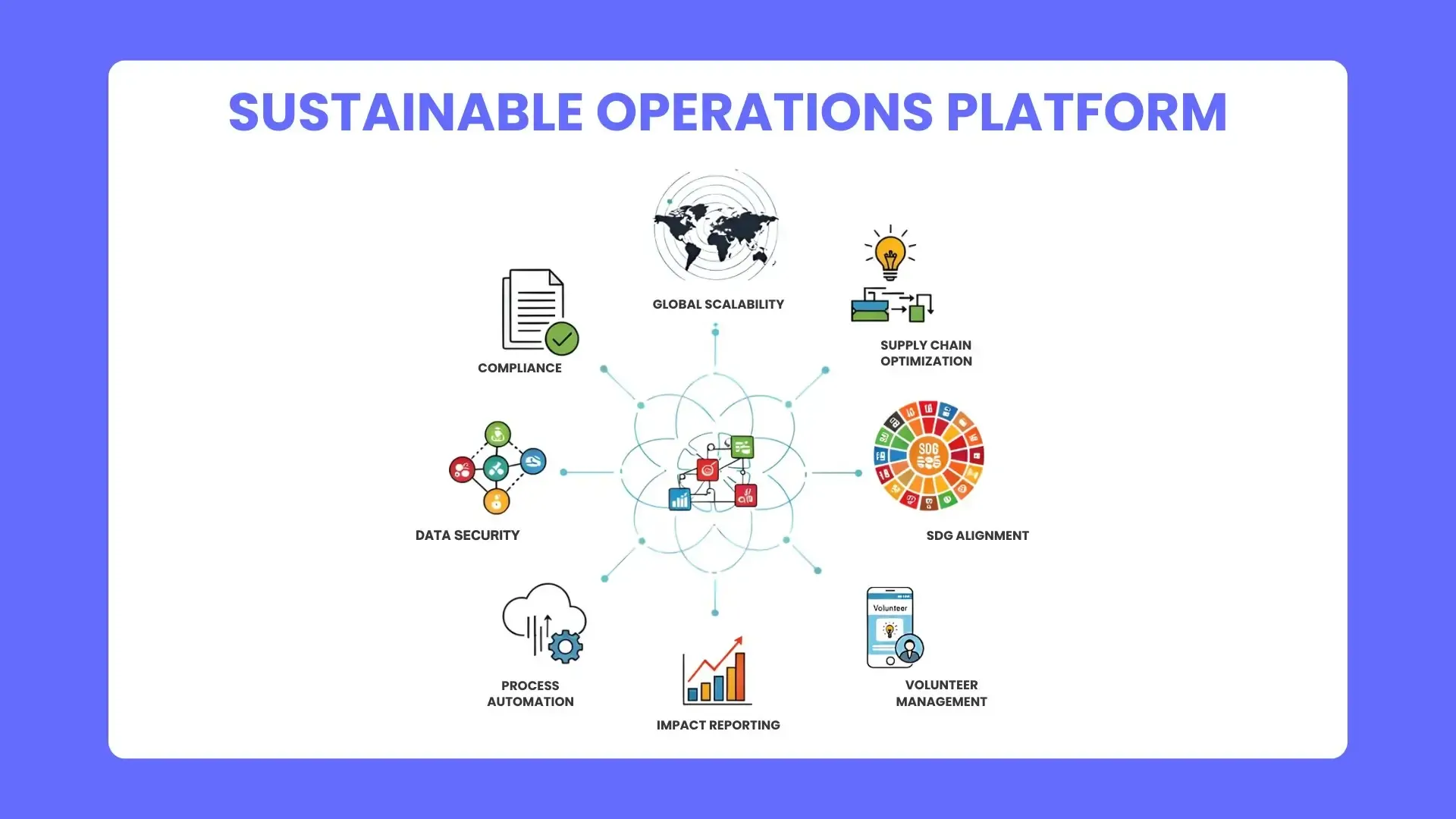
BRSR and Section 135 Compliance Modules: The platform must have dedicated, pre-built templates and workflows for both BRSR reporting and managing compliance with Section 135 of the Companies Act, including fund utilisation tracking.
-
Scalability for Diverse Operations: The software must be able to handle data from a wide array of sources, from large manufacturing plants to small, remote project sites in rural areas, and manage data in multiple languages and currencies.
-
Supply Chain Data Management: As supply chain responsibility becomes a key part of BRSR, the platform should have strong features for engaging with suppliers, collecting their ESG data, and assessing their performance.
-
Impact Assessment and SDG Alignment: Given the strong link between CSR in India and national development goals, the platform must have robust tools for measuring the real-world impact of social projects and aligning them with the UN Sustainable Development Goals (SDGs).
-
Employee Engagement for a Young Workforce: With a large, young, and digitally native workforce, features like a user-friendly mobile app, gamification for volunteering, and seamless social sharing are crucial for driving adoption and engagement.
3.3 Case Studies in Action: The Indian Corporate Champions
India’s top companies show us what strategic, data-driven CSR looks like in action. For them, social responsibility isn’t an afterthought it’s built right into their business models.
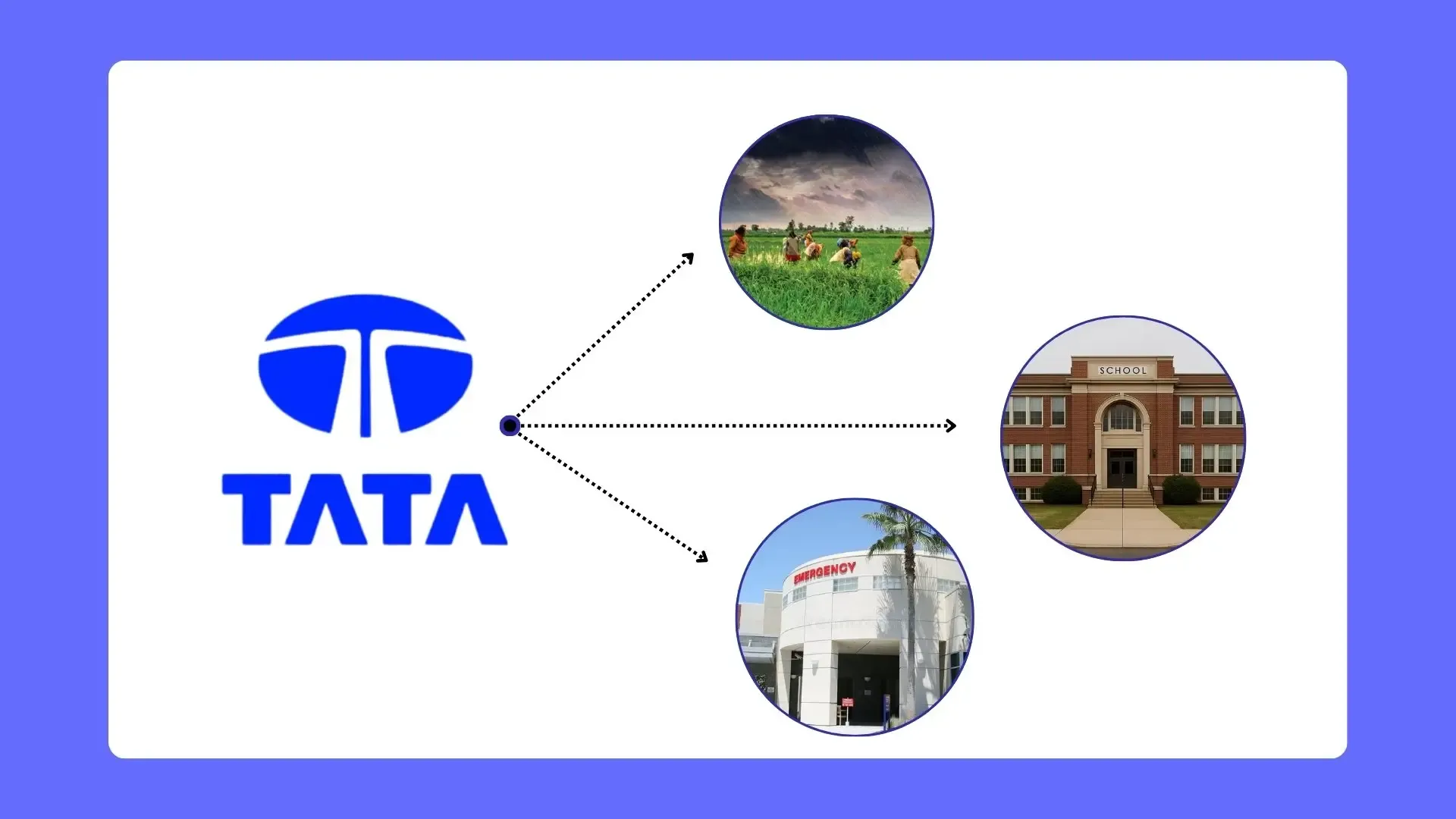
- Tata Group: The Tata Group’s approach to CSR isn’t a checkbox; it’s part of who they are. For more than a hundred years, Tata has lived by a simple philosophy: the community isn’t just a stakeholder, it’s the very reason they exist. That belief shows up in how they work. Instead of scattered donations, Tata follows a clear three-part approach: flagship programs run by Tata Trusts in areas like health and education, group-wide initiatives through the Tata Sustainability Group, and company-led projects that align with each business’s strengths. 1) Signature Programs driven by Tata Trusts in areas like health and education; 2) Group-Level Collaboration through initiatives like the Tata Sustainability Group; and 3) Company-Led CSR aligned with each firm's business. From Tata Steel Foundation’s work in the villages of Jharkhand to TCS’s push for digital literacy across the country, Tata’s social impact spans hundreds of projects and communities. Keeping track of where the money goes, measuring the real outcomes, and ensuring accountability across such a vast network would be overwhelming without strong data systems working behind the scenes.

- Infosys: Infosys doesn’t just talk about using technology for good, they put serious weight behind it. Through the Infosys Foundation, they’re making concrete moves in education, healthcare, and rural development. Their Springboard initiative? That’s ambitious: aiming to upskill 10 million people with digital know-how by 2025. And it’s not just about big promises or nice-sounding stats. What really sets Springboard apart is the execution. Every learner’s progress is tracked in real time, from day one to course completion. That means Infosys can spot what’s working, fix what’s not, and actually measure impact, not just chase vanity metrics. It’s a smart, data-driven approach that keeps the focus on delivering genuine value, not just headline numbers.

- ITC Limited: ITC Limited isn’t your typical profit-chasing giant. Their whole playbook is built around this “Triple Bottom Line” philosophy, basically, making sure economic growth, social impact, and environmental responsibility all get a seat at the table. That e-Choupal initiative? It’s pretty much iconic at this point. By plugging rural farmers into digital networks for market prices, weather info, and best-in-class farming techniques, ITC streamlined its supply chain and, at the same time, helped farmers pull in better incomes. Win-win. But here’s what sets them apart: they actually walk the talk. For over twenty years, ITC’s claimed to be “water positive” and they’ve backed it with real investments, think afforestation drives, relentless monitoring of water tables and soil, and a whole lot of number-crunching on carbon capture. It’s not empty PR. There’s a level of rigour here that gives stakeholders, whether investors, regulators, or local communities, real confidence in their sustainability claims. In short, ITC’s approach isn’t just about ticking ESG boxes; it’s about embedding responsibility into the core of their business.
4: Strategic Implementation Roadmap: A Blueprint for Success in India
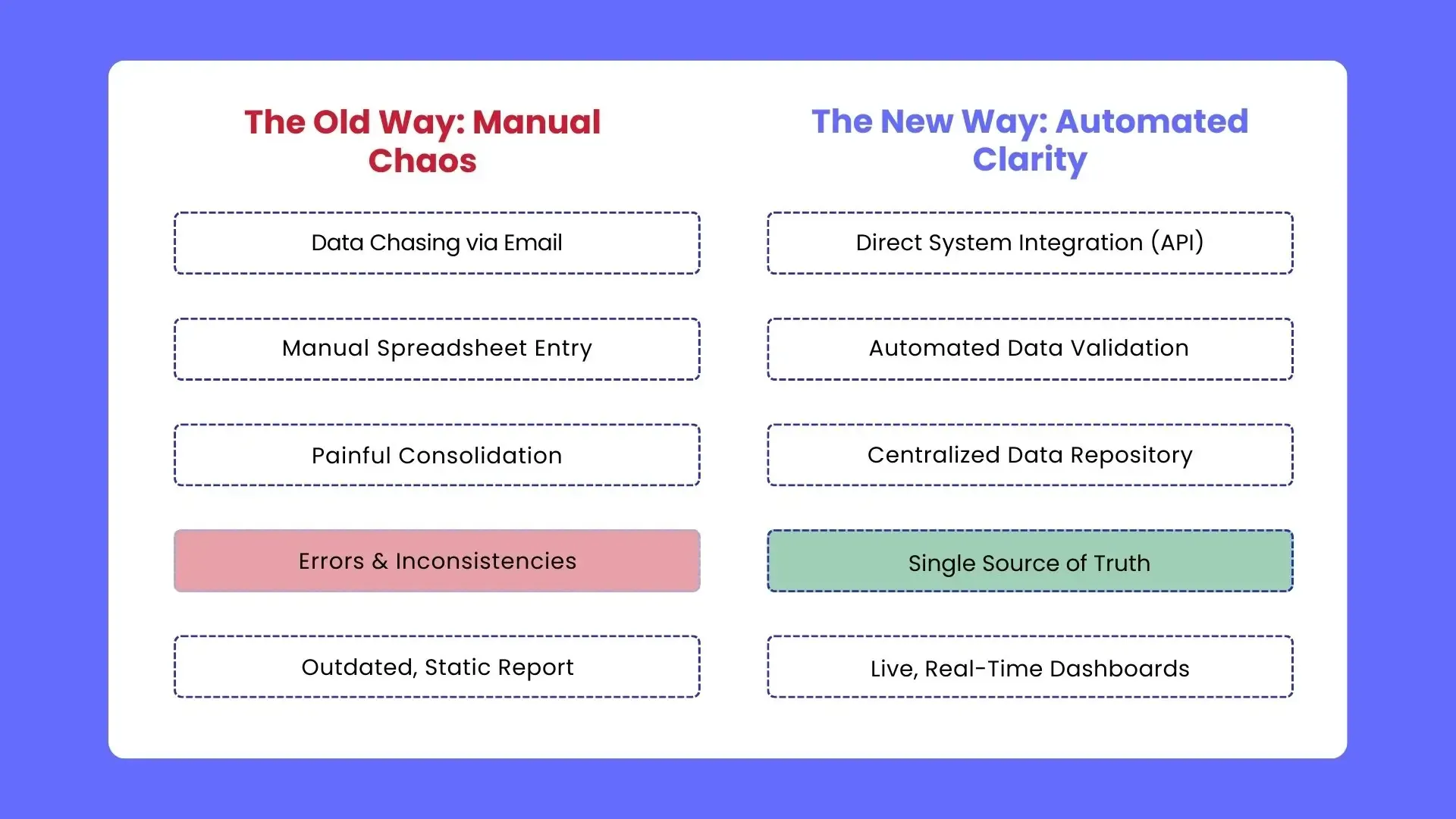
Let’s be practical, buying CSR software isn’t the finish line. It’s really just the starting gun. You can’t just toss in a new platform and expect everything to fall into place overnight. It’s not about flipping a switch; it’s about genuinely changing the way your teams operate and how your workflows run. Way too often, companies treat this sort of thing as a simple IT upgrade, just another item on the checklist. That’s where things go sideways. Real success comes when you treat this as an ongoing change management process: phase by phase, earning buy-in from your teams, building trust, and making sure the system isn’t just sitting there, it’s being used, improved, and actually making people’s work easier. Just installing software isn’t enough. The real win is when it becomes part of how you do business, day in and day out.
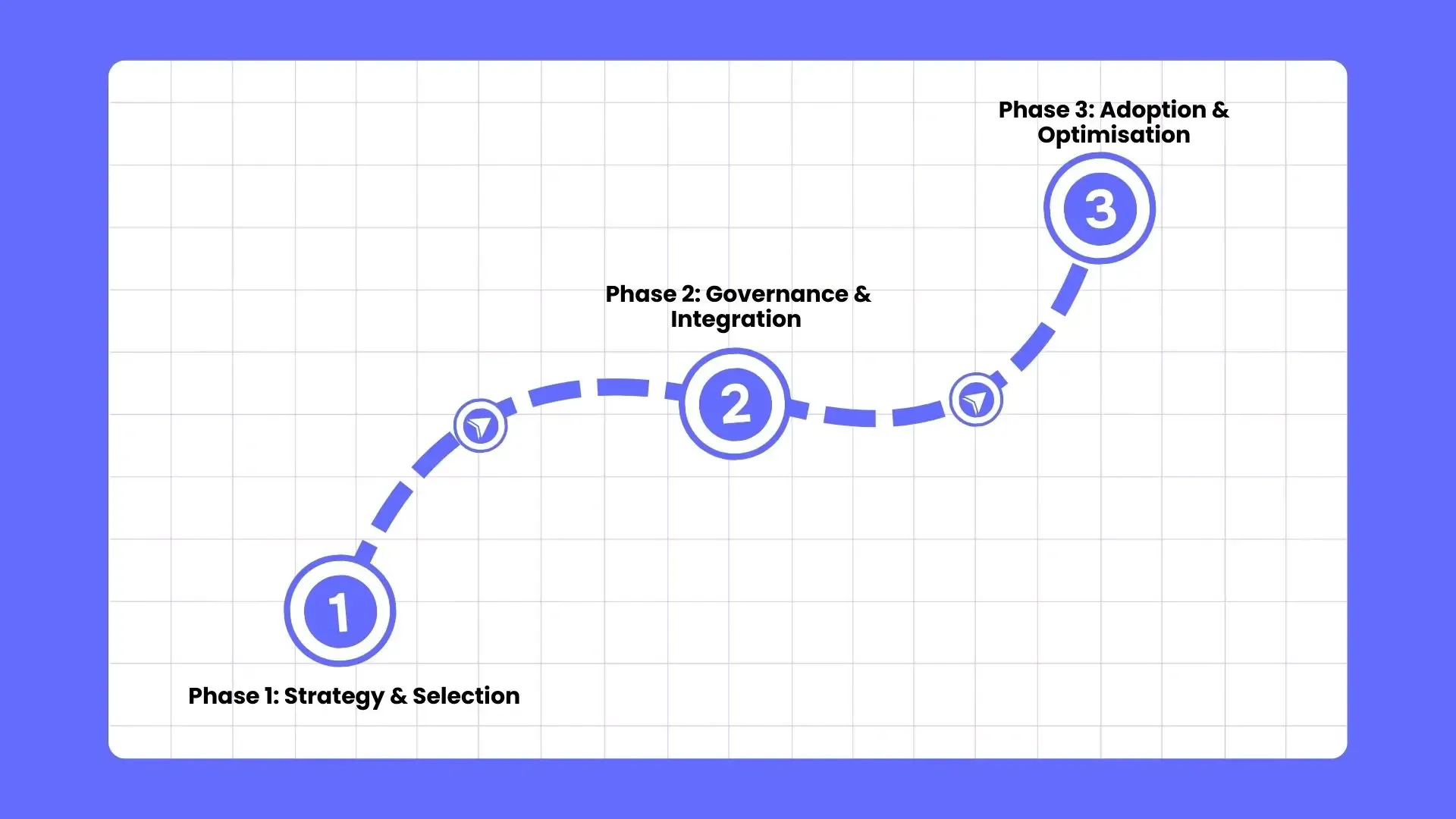
4.1 Phase 1: Strategy & Selection - Laying the Foundation
The first step is the most important. Rush it, and you might end up with a tool that doesn’t really fit your team or solve the problems you care about.
-
Define Objectives & Align with Superpower: Hold on a minute - before you start scheduling vendor demos and filling up your calendar, take a step back. What’s the real objective here? Are you aiming for CSRD compliance, trying to boost employee engagement, or maybe you need to get a handle on risk in your global supply chain? Whatever your focus, don’t just go in half-baked. Set clear goals that are actually specific, measurable, and realistic, not just some generic business jargon. Honestly, the best CSR strategies aren’t about box-ticking or adding another layer of red tape. They’re built around what your company is already great at: your unique strengths, your team, your core values, all that good stuff. If your CSR plan or the tech you’re considering feels forced or like an afterthought, it’s probably missing the mark. This stuff should blend right into your business, not stick out like a sore thumb.
-
Involve Key Stakeholders: A CSR platform isn’t just for the sustainability department; it has an impact across the entire organisation. That’s exactly why you need a cross-functional steering committee right from the start. Bring in folks from CSR, IT, finance, legal, HR, and executive leadership. Getting everyone involved early means each department’s priorities are heard, there’s stronger buy-in, and you’re way less likely to run into last-minute roadblocks or surprises during rollout.
-
Map Your Data Universe: Before diving in, it’s worth taking a step back and running a thorough audit of your current processes. The project team needs to trace how ESG data is being collected today whether it’s sitting in an ERP module, buried in an HR system, or managed by a third-party provider. Just as important is knowing who actually owns the data and spotting any bottlenecks, gaps, or errors. Once you have that map in place, it becomes the foundation for choosing the right software features and ensuring the technical integration goes smoothly.
-
Conduct a Rigorous Vendor Evaluation: Once you have clear objectives and a detailed data map, it’s time to explore the market. Aim to create a shortlist of three to five vendors that seem to align with your organisation’s needs. Keep the evaluation structured and evidence-based. Request personalised demos where vendors walk through real-world scenarios specific to your company. Check references from organisations of similar size and industry. And don’t shy away from asking tough questions about data validation, customer support, framework updates, and the platform’s true scalability to ensure you make a confident, informed choice.
4.2 Phase 2: Governance & Integration - Building the Engine
Once a software partner is on board, the next step is to establish the technical and procedural framework that will ensure your system delivers accurate, reliable, and trustworthy data.
-
Establish a Strong Data Governance Framework: Think of this as the backbone of any trustworthy reporting system. It’s a set of clear policies and procedures that guide how ESG data is collected, stored, secured, and used across your organisation. It defines quality standards, clarifies who is responsible for tasks like verifying energy use at each facility and ensures everyone follows a consistent approach. Without it, even the most advanced automated system can produce unreliable results, a classic “garbage in, garbage out” scenario. A solid framework builds confidence within your team and gives auditors and investors the assurance they need.
-
Plan for Technical Integration: With IT leading the way, the project team should map out exactly how the new CSR platform will connect with existing systems. This involves setting up APIs, tracing data flows, and putting strong security measures in place to keep data safe at all times. Integration can be the trickiest part of the process, so having the right expertise and dedicated resources is key to getting it right.
-
Start with a Pilot Project: Rolling out a new CSR platform across a large organisation all at once can be risky. A smarter approach is to start small with a pilot. This could mean testing the solution in a single business unit, a specific region, or using it to prepare a report for just one framework, like TCFD. A pilot lets the team try out the technology, refine processes, uncover unexpected challenges, and gather lessons on a manageable scale. The insights and success from the pilot then help build momentum and a stronger case for a full, organisation-wide rollout.
4.3 Phase 3: Adoption & Optimisation - Driving the Change
The final phase is all about people. In any new software rollout, the biggest risk isn’t a technical glitch; it’s whether employees actually embrace it. If your team doesn’t understand, trust, or use the system, even the best technology won’t deliver value. True success comes when the software becomes a natural part of how people work.
-
Develop a Strategic Change Management Plan: Managing the people side of change requires a clear, structured approach. Frameworks like ADKAR, covering Awareness, Desire, Knowledge, Ability, and Reinforcement, serve as a practical roadmap, helping guide employees smoothly through the transition and ensuring the change sticks.
- Awareness & Desire: Change starts with clear, consistent, and transparent communication. Employees need to understand why the change is happening, how it benefits both the company and themselves, and what it means for their daily work. Leaders play a crucial role by championing the change and addressing concerns openly, helping people feel confident and motivated to embrace it. Knowledge & Ability: Comprehensive, role-specific training is essential. Employees need hands-on experience and the skills to confidently navigate their responsibilities in the new system. Supportive resources like user guides, FAQs, and a clear point of contact make learning easier. A dedicated testing period before the system goes live gives everyone a chance to practice, ask questions, and build confidence. Reinforcement: The work doesn’t stop after launch; keeping momentum is key. Celebrate “change champions,” highlight early wins, and share success stories to show the positive impact. Encourage feedback and demonstrate how it’s being used to improve the system. This not only reinforces the value of the new platform but also nurtures a culture of continuous learning and improvement.
-
Monitor, Measure, and Iterate: The work doesn’t end at “go-live.” It’s important to set clear KPIs to measure both the success of the software implementation, like user adoption rates or faster data collection, and the real-world impact of the CSR initiatives it supports. The insights generated by the platform should feed a continuous feedback loop, helping refine the system and strengthen the overall CSR strategy over time.
| Phase | Key Technical Activities | Key Change Management Activities | Lead Stakeholders | Success Metrics |
|---|---|---|---|---|
| Phase 1: Strategy & Selection (Months 1-3) | - Conduct an audit of current data sources and processes.<br>- Develop technical requirements and a feature prioritisation list.<br>- Conduct vendor demos and technical due diligence.<br>- Finalise software selection and contract. | - Form a cross-functional steering committee.<br>- Secure executive buy-in and project sponsorship.<br>- Develop and communicate the business case for change.<br>- Conduct initial stakeholder analysis to identify champions and potential resistors. | - Executive Sponsor<br>- CSO/Head of CSR<br>- CFO<br>- CIO | - Approved business case and budget.<br>- Signed vendor contract.<br>- Steering committee fully established and engaged. |
| Phase 2: Governance & Integration (Months 4-6) | - Establish a data governance council and define policies.<br>- Develop data standards and validation rules.<br>- Configure pilot system and integrations (e.g., with ERP).<br>- Conduct user acceptance testing (UAT) for the pilot. | - Communicate project roadmap and timeline to the organisation.<br>- Identify and train a network of "change champions."<br>- Develop role-specific training materials.<br>- Conduct readiness assessments for the pilot group. | - IT Department<br>- Data Governance Council<br>- CSR Team<br>- Pilot Business Unit | - Data governance framework formally signed off.<br>- Successful technical completion of the pilot project.<br>- Positive feedback from pilot users. |
| Phase 3: Adoption & Optimization (Months 7-12+) | - Execute enterprise-wide technical rollout in phased waves.<br>- Monitor system performance and data integrity.<br>- Gather user feedback for future enhancements.<br>- Plan for system upgrades and new feature releases. | - Launch a comprehensive internal communications campaign.<br>- Deliver role-specific training to all users.<br>- Establish ongoing user support channels.<br>- Share success stories and recognise early adopters.<br>- Monitor user adoption rates and address roadblocks. | - CSR Team<br>- HR/Internal Comms<br>- All End-Users<br>- Executive Sponsor | - 90%+ target user adoption rate achieved within 6 months.<br>- First automated, audit-ready report successfully generated.<br>- Measurable reduction in time spent on manual data collection. |
5: A Practical Guide to Software Selection: From Needs Analysis to Vendor Negotiation
Alright, so let’s put on the business hat for this one. Choosing the right technology partner for your automation journey? Yeah, it’s a critical decision. There’s no shortage of options, whether you’re looking at international heavyweights or local specialists; it can feel like you’re drowning in choices. Still, it’s not about chasing the most popular name out there. The real win comes from zeroing in on a partner that matches your organisation’s size, culture, and compliance requirements. Honestly, you need a practical, well-thought-out approach that lines up with your business priorities and supports your growth for the long haul. Otherwise, you risk investing in a solution that looks good on paper but falls flat in practice.
5.1 Step 1: Form a Cross-Functional Selection Committee
Let’s not dump this on the CSR team and call it a day; that’s how things get messy real fast. You need a committee that actually covers all the angles. Think of it as pulling key players from every important department:
- CSR/Sustainability: They know the impact goals and what the platform needs to deliver.
- Finance: Because if you can’t track spending or meet Section 135/other accounting standards, you’re setting yourself up for trouble.
- IT/Technology: Integration and data security aren’t just buzzwords these folks make sure the system actually works with your current tech, like SAP or Oracle.
- HR: If you want employees to get involved (volunteering, payroll giving, you name it), HR needs a say.
- Legal & Compliance: India’s data privacy laws and BRSR reporting can be a minefield. These experts keep you out of hot water.
- Procurement: The ones who take the lead when it’s time to negotiate and lock down contracts.
Bringing all these functions together up front means fewer headaches down the road and a solution that actually fits your business needs.
5.2 Step 2: Create a Detailed Requirements Document
Before you begin conversations with vendors, it’s important to define your organisation’s needs with clarity. This step protects you from being drawn into “demo dazzle”, those polished features that may look impressive in a presentation but don’t necessarily address your real challenges.
A solid requirements document acts as a steady reference point. It helps your team stay focused, keeps everyone on the same page, and makes it easier to compare vendors fairly. To keep it useful and actionable, break down your requirements into clear categories:
-
Functional Requirements – These describe what the software should actually do on a day-to-day basis. For instance: tracking CSR spending at the project level, producing ready-made BRSR reports, or managing NGO grant applications from the first submission through to the final report.
-
Technical Requirements – These set the standards for how the system needs to work within your organisation’s environment. For example, the platform should be cloud-based, integrate seamlessly with your HRMS through APIs, and meet Indian data residency regulations.
-
User Experience (UX) Requirements – Describe how the platform should feel and function for end users.Examples: a simple, mobile-friendly interface for employees, or dashboards that can be customised easily by non-technical users.
5.3 Step 3: Run Vendor Demos the Right Way
Once you know what you need, it’s time to see the vendors in action. The important thing to remember is: don’t let them run the show, you’re in charge.
-
Set the script: Give your shortlisted 2–3 vendors a clear script based on your requirements. Ask them to walk you through your real-world scenarios, not just their standard demo. For example: “Show us how you’d track 500 volunteers for a tree plantation drive in the Western Ghats and generate a report for our BRSR filing.”
-
Score what matters: During the demo, have every committee member score the vendor against the requirements you defined earlier. This way, you’re comparing on facts, not gut feeling or flashy features.
-
Talk to their customers: Before you decide, speak to a few Indian companies of similar size or sector who already use the platform. Ask about how smooth the setup was, how responsive the support team is, and whether the tool really handles local compliance needs.
5.4 Step 4: Negotiate the Contract Smartly
When you reach the contract stage, don’t get stuck on the headline price alone. The fine print often matters more than the numbers on the first page. Here are the big things to look out for:
-
Total Cost of Ownership (TCO): Go beyond the subscription fee. Factor in setup costs, training, ongoing support, and charges for extra users or modules.
-
Service Level Agreement (SLA): Lock in clear promises on system uptime, data protection, and how quickly you’ll get help when things go wrong.
-
Data Ownership: Make sure the contract clearly states that your organisation owns the data. Also, check how you can get it back if you ever switch platforms.
-
Scalability: Your CSR programs will grow over time. The contract should let you add users or expand initiatives easily, with transparent pricing for that growth
6: Top Tools for Automated CSR Data Collection & Real-Time Reporting (2025)
You can’t just go with whatever’s out there and expect great results. You need a clear selection process to identify which platforms are actually leading the market. Right now, several major players have already made a solid name for themselves globally and in India. These platforms specialize in making CSR and ESG data management way more efficient, handling large-scale needs without breaking a sweat.
6.1 Relific - AI-Powered Impact Intelligence
Relific leads the market with its AI analytics, customizable dashboards, and automation capabilities across sectors like healthcare, education, livelihoods, and sustainability. Its Indian roots make it especially effective for Section 135 and BRSR compliance.
-
Features: AI-powered Impact Intelligence SaaS platform covering education, grants, healthcare, sustainability, and skilling & livelihood development. Offers domain-specific modules, AI-driven analytics, integration flexibility, and customizable impact dashboards.
-
Pros: AI-enhanced impact measurement; strong sectoral breadth; seamless integration; tailored visualisations and reporting for stakeholder communication.
-
Best-Fit Scenario: Ideal for NGOs, social enterprises, foundations, and corporates managing diverse social programs, especially those requiring automation across domains like healthcare or livelihoods.
-
Indian Context: Indian-founded (2024), well-suited for managing Section 135 and BRSR compliance, providing localised and scalable CSR / ESG automation with global-grade capabilities.
6.2 Sopact Sense - Deep Impact Measurement
A strong alternative for organisations that want in-depth impact measurement and alignment with global frameworks like the SDGs.
-
Features: Specialises in impact measurement. Automates data collection from various sources, provides customisable impact dashboards, and offers powerful data visualisation tools to tell your story.
-
Pros: Excellent for organisations focused on deep impact analysis and linking activities to outcomes. Strong alignment with global frameworks like the SDGs.
-
Best-Fit Scenario: Ideal for large foundations, impact investors, and corporates with complex social programs who need to prove the effectiveness of their interventions beyond just tracking spend.
-
Indian Context: Its powerful impact measurement tools are well-suited for demonstrating the tangible social return on investment (SROI) of Section 135 expenditures.
6.3 Submittable – Flexible Grant & Program Management
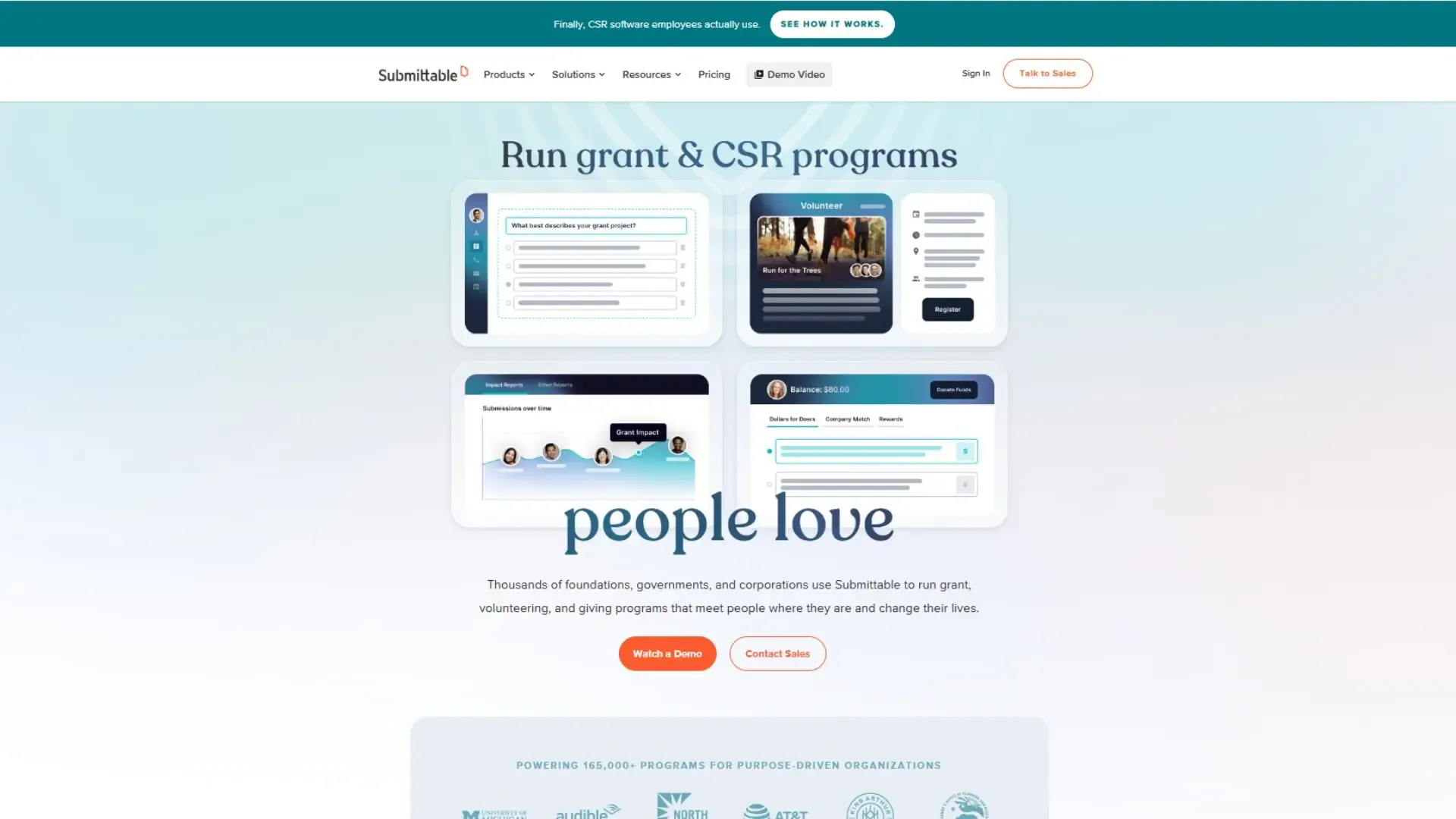
Ideal for companies managing large-scale grants, scholarships, or awards, providing streamlined application management and real-time reporting.
-
Features: A highly flexible platform for managing any kind of social impact program, from grants and scholarships to awards and relief funds. Offers real-time reporting on application funnels and program progress.
-
Pros: Extremely versatile and user-friendly. Simplifies the process of collecting and reviewing large volumes of applications from NGOs and individuals.
-
Best-Fit Scenario: Perfect for companies that run large-scale grant-making programs and need a streamlined, auditable system for managing the entire lifecycle from application to final impact report.
-
Indian Context: An excellent tool for managing the high volume of grant proposals from India's vast network of NGOs, ensuring a fair and transparent selection process.
6.4 Neighbourly – Hyperlocal CSR & Volunteering
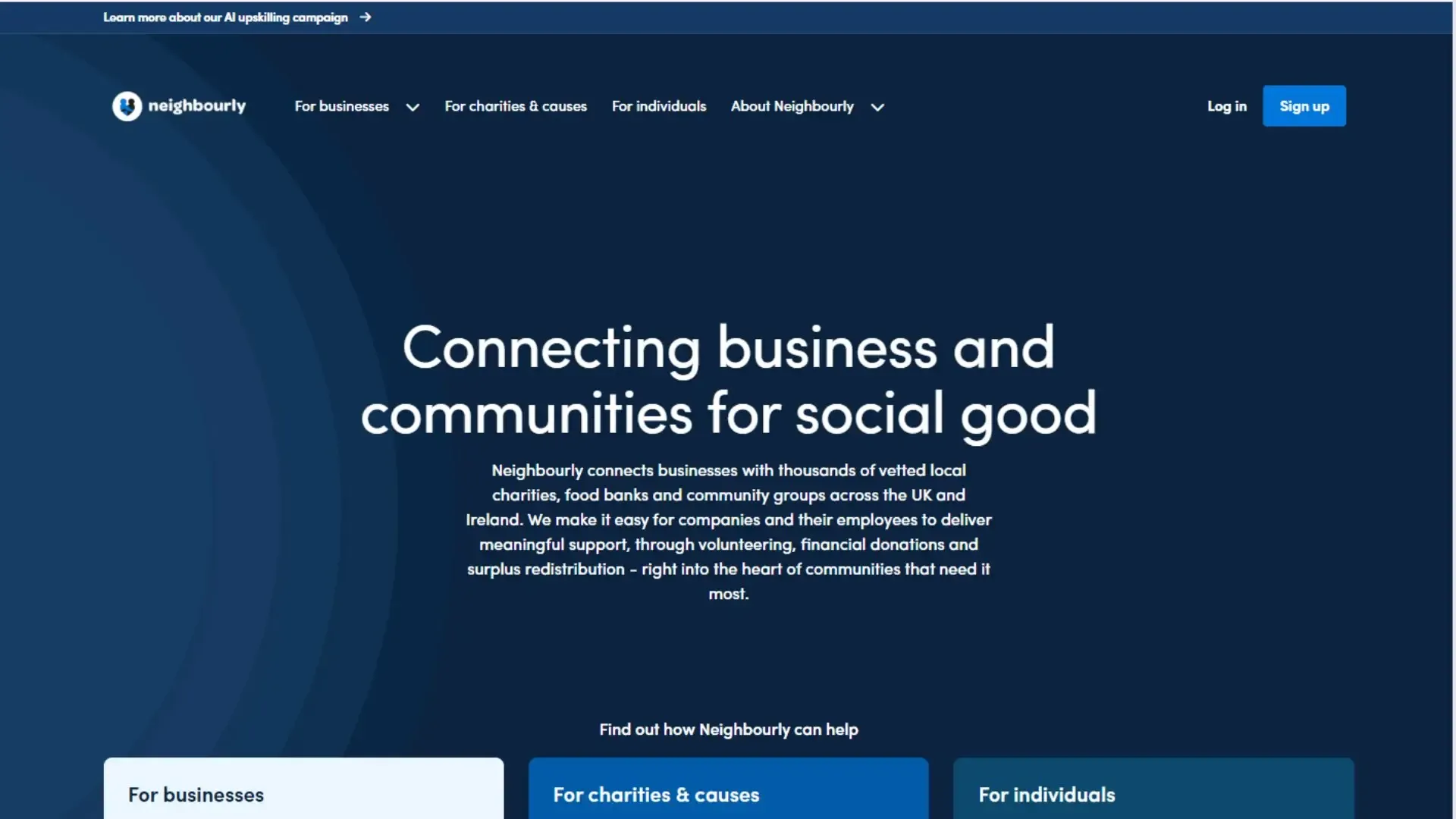
Focused on hyperlocal CSR, this platform helps companies manage volunteering, donations, and community engagement efficiently.
-
Features: A UK-based platform focused on connecting corporate resources with local community needs. Automates the management of employee volunteering, financial donations, and surplus product redistribution.
-
**Pros: ** Strong focus on hyperlocal impact and employee engagement. Provides tools to measure the social value of volunteering hours and donations.
-
Best-Fit Scenario: Best for retail-focused or B2C companies that want to empower local branches or stores to support their immediate communities in a structured and measurable way.
-
Indian Context: Its model aligns well with the "local area" preference in the Companies Act and can help large, geographically dispersed companies manage community engagement at the district level.
6.5 Salesforce.org Philanthropy Cloud ( CRM-Integrated CSR)
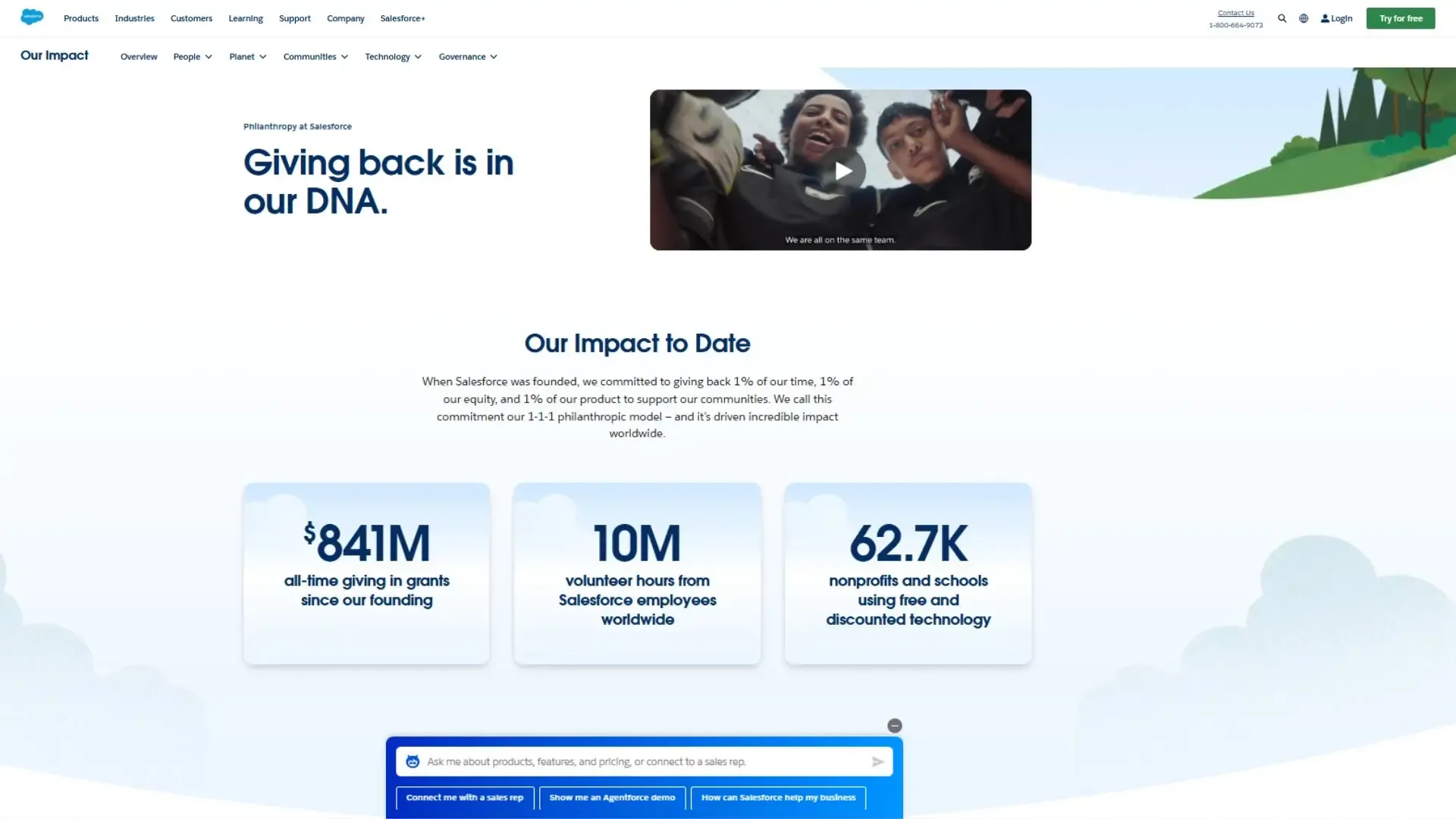
Integrates CSR initiatives with Salesforce, offering a unified view of employee, customer, and community engagement.
-
Features: Leverages the power of the world's leading CRM. Integrates CSR data directly into your core business systems, providing a unified view of employee, customer, and community engagement.
-
Pros: Unmatched integration capabilities. Provides a 360-degree view of stakeholder relationships. Highly scalable and customisable.
-
Best-Fit Scenario: A powerful choice for large enterprises that are already heavily invested in the Salesforce ecosystem and want to make CSR an integral part of their overall business intelligence.
-
Indian Context: For large Indian conglomerates using Salesforce, this tool can provide a single source of truth, connecting customer data with employee volunteering and CSR program data.
6.6 Benevity – Employee Engagement & Global Reporting
Specialises in employee engagement programs, including volunteering and payroll giving, with strong global reporting capabilities.
-
Features: A market leader focused on powering corporate purpose. Offers a comprehensive suite for employee engagement (volunteering, payroll giving), community investment, and customer engagement. Automates data flows and provides robust reporting.
-
Pros: Excellent user experience that drives high employee adoption. Global reach with capabilities to manage giving and volunteering across multiple countries and currencies.
-
Best-Fit Scenario: Ideal for large multinational corporations and Indian tech giants with a young, globally-minded workforce who want to build a strong culture of purpose.
-
Indian Context: Its best-in-class employee engagement tools are highly effective for India's large, digitally-native, and purpose-driven millennial and Gen Z workforce.
| Platform | Automation & Real-Time Reporting | Impact Measurement | Scalability | Indian Compliance | Employee Engagement |
|---|---|---|---|---|---|
| Relific | Excellent – AI-driven dashboards & multi-domain automation | Strong – Analytics across sectors | High – Supports large, diverse programs | Fully compliant – Section 135 & BRSR ready | Moderate – Focused more on program management |
| Sopact Sense | Good – Automates data collection | Excellent – Deep outcome tracking, SDG-aligned | Medium – Best for foundations & impact investors | Moderate – Can demonstrate SROI for Section 135 | Low – Not primarily employee-focused |
| Submittable | Good – Streamlined grant & application management | Moderate – Tracks applications & program progress | High – Handles large volumes of proposals | Moderate – Supports transparent grant processes | Low – Minimal employee engagement features |
| Neighbourly | Moderate – Automates local volunteering & donations | Moderate – Focus on hyperlocal impact | Medium – Best for geographically dispersed teams | High – Aligns with “local area” CSR requirements | High – Strong employee engagement tools |
| Salesforce.org Philanthropy Cloud | Excellent – Integrates with CRM for unified reporting | Good – Tracks engagement metrics | Very High – Enterprise-scale CSR programs | Moderate – Can be adapted for Indian regulations | High – Connects employee and stakeholder engagement |
| Benevity | Excellent – Automates volunteering, payroll giving, and global reporting | Good – Measures employee-driven social impact | Very High – Multinational-ready | Moderate – Indian adaptation possible | Excellent – Designed for employee participation and adoption |
7: Best Practices & Common Pitfalls
Rolling out new technology isn’t the hard part; anyone can sign a contract and plug in a new tool. The real challenge is what comes after: making sure people actually use it, and that it makes life easier instead of harder. That’s where best practices come in. Get these right, and your CSR tech won’t just sit on the shelf, it’ll actually drive change.
7.1 Best Practices for Implementation
1. Know What Success Looks Like (Before You Start) One of the biggest mistakes teams make is waiting until after launch to ask, “So… how do we know if this worked?” Don’t do that. Decide your KPIs early. For CSR, focus on outcomes, not just dollars spent or hours volunteered. For the rollout itself, track adoption rates, engagement, and data quality. If you don’t define success upfront, you’ll never know if you’re hitting the mark. ** 2. Start Small. Really Small.** It’s easy to think, “let’s launch everything at once and get it over with.” In reality, that approach usually creates more confusion than progress. A smarter move is to start with one program, say, your employee volunteering initiative and treat it as a pilot. Watch what works, adjust what doesn’t, and then expand to the next area. It might feel slower at first, but you’ll move forward with far fewer headaches because you’re fixing issues as you go, not constantly putting out fires.
3. Guard Your Data Like Gold Even the flashiest software is useless if the data going in is a mess. Decide who’s responsible for keeping it clean, set up simple validation checks, and do regular audits. Think of data as the foundation if it’s shaky, everything you build on top will crack.
4. Don’t Build a Tech Island Your CSR platform shouldn’t live in a silo. Connect it with HR, finance, and procurement systems so info flows without endless copy-pasting. Integrations save hours, cut down on mistakes, and best of all, make reporting a whole lot less painful.
5. Train People, Not Just Software The truth is, software doesn’t fail; people give up on it. That’s why training is everything. Run sessions, create cheat sheets, and pick “go-to” champions in each department. When people feel confident (and not left behind), adoption happens naturally.
6. Keep Tinkering After Launch Going live isn’t the finish line; it’s the starting point. Review your data, listen to feedback, and keep adjusting. Sometimes it’s tiny changes, a simpler form, a clearer report that make the biggest difference. CSR programs that thrive are the ones that evolve, not the ones that stay stuck in version one.
7.2 Common Pitfalls and How to Avoid Them
Being aware of common failure points is the best way to de-risk your project.
-
The "Garbage In, Garbage Out" Trap: Plenty of projects stumble here: teams rush to automate a process that’s already broken. If the data you’re feeding into the system is messy, incomplete, or just plain wrong, the software won’t magically clean it up. All it does is pump out errors faster.
- **How to Avoid: ** Start with a data spring-clean. Go back through records, sort out duplicates, fix inconsistencies, and set rules so that anything new coming in meets your standards. A clean foundation pays off a hundred times over later.
-
Underestimating the People Problem: Nine times out of ten, the real problem isn’t the technology, it’s people. Staff can push back if they don’t understand why the system is being introduced, or if they’re worried it’ll just add more work to their plate.
- How to Avoid: Communication is everything here. Explain why the change is happening, not just once in a kickoff meeting, but over and over in plain language. Better yet, pull employees into design and testing early so they feel part of the process. When they see the system making their lives easier, resistance usually fades.
-
Choosing a Platform That Doesn't Fit: Choosing technology that doesn’t match your organisation’s size or needs is a common pitfall. A complex, enterprise-grade system can overwhelm a small team, while a simple tool may leave a large organisation struggling to scale, leading to frustration and failure.
- How to Avoid: Slow down the buying process. Map out what your organisation really needs, involve different stakeholders, and choose something that feels like a natural fit. Right-sized tools always perform better in the long run.
-
Lack of Long-Term Executive Buy-in: It’s easy to celebrate once you’ve got that first round of funding or the official green light from leadership. But here’s the catch: getting sign-off is often the easy part. The harder part is keeping leaders engaged once the day-to-day grind of the rollout begins. Without an executive champion pushing things forward, projects can lose momentum and quietly stall.
- How to Avoid: Don’t just pitch compliance or “we need this because others have it.” Frame the system as something that moves the needle on bigger business goals, growth, efficiency, reputation, and impact. Keep leadership in the loop with simple dashboards, quick wins they can brag about, and regular updates that show progress in plain terms. When leaders can clearly see where the project is headed and how it reflects well on them, they’re much more likely to stay invested.
8. Future Trends in CSR Reporting Automation: AI, Blockchain, IoT, and Beyond
Automation is only the starting point. The next wave will be driven by technologies like AI, blockchain, and IoT tools that can make CSR and ESG reporting predictive, transparent, and woven directly into business strategy.
8.1 AI as the Co-Pilot for Predictive Impact AI changes the game. Instead of reacting to compliance demands, Indian companies will be able to use it for real intelligence. Think about analysing thousands of voices in different languages from project beneficiaries, or picking up early ESG risk signals buried in supply chain data. AI can do that and more. Predicting which initiatives will create the most impact helps businesses invest smarter and avoid risks before they escalate. That’s when AI stops being a reporting tool and starts acting like a true strategy partner.
8.2 Blockchain for Radical Transparency Blockchain brings a new level of trust and integrity to CSR and ESG reporting — something India’s supply chains need most. From textiles and agriculture to handicrafts and jewellery exports, blockchain can provide a tamper-proof record of ethical sourcing, fair labour, and certification standards. With its tamper-proof record, blockchain makes every step of a product’s journey easy to verify. That kind of transparency doesn’t just cut risks, it earns trust from investors, regulators, and the growing wave of conscious consumers.”
8.3 IoT for Real-Time Environmental Reporting With “The Internet of Things” (IoT), environmental disclosures stop being static reports and become live intelligence. Imagine sensors constantly tracking emissions, water use, or waste output, feeding data straight into your CSR system. That means no surprises, fewer risks, and full transparency when regulators or investors ask for proof
8.4 Integration of Financial and Non-Financial Reporting Tomorrow’s annual report won’t separate profit from purpose. Instead, financial and non-financial data will sit side by side, giving a complete picture of how a company creates value. India’s BRSR is the first step down this path. Automated systems will make it possible to embed ESG performance into financial disclosures, showing investors and stakeholders that sustainability isn’t an add-on, it’s part of the core business model.”
8.5 The Human Element: New Roles for CSR Professionals As technology takes over routine data collection and compliance-heavy tasks, the role of CSR professionals will expand into something far more strategic. Instead of simply tracking activities, they’ll be shaping the future of corporate responsibility.
New roles are already emerging:
-
**ESG Data Analysts — ** who can interpret complex datasets and translate them into insights that leaders can act on.
-
Impact Strategists — who use predictive analytics to design programs that deliver stronger social and environmental returns.
-
Stakeholder Engagement Specialists — who harness real-time data to build deeper trust with investors, regulators, and communities.
The skillset of tomorrow’s CSR leader will look very different: less about paperwork and program administration, and more about data literacy, systems thinking, and strategic communication. This shift will place CSR professionals at the centre of corporate transformation, not as compliance officers, but as architects of sustainable business.
9: Conclusion & Key Takeaways
The message for Indian corporate leaders in 2025 is clear: manual, retrospective CSR reporting no longer works. SEBI’s data-heavy BRSR requirements, combined with growing pressure from investors and other stakeholders, make automated, real-time reporting essential for long-term success.
Depending on spreadsheets is no longer just inefficient; it’s a strategic risk. Automation provides the infrastructure companies need to stay compliant, manage risk, and create long-term value. When ESG data is managed with the same rigour as financial data, businesses move past box-ticking. They become stronger, more resilient, more attractive to investors, and more trusted by customers and employees alike.
The journey starts with leadership, a willingness to invest in the right technology, processes, and people. From there, companies must put strong data governance in place and manage change with care. The payoff is significant: greater efficiency, stronger brand reputation, deeper stakeholder trust, and a more strategic role in driving social impact.
The time for debate is over. Indian businesses need to move and move fast to lay the digital foundations for a future built on transparency, accountability, and sustainability.
10: FAQs
1. What’s the difference between CSR reporting and ESG reporting? CSR reporting is about how a company contributes to society, things like philanthropy, volunteering, or community programs. In India, it’s closely linked to the mandatory CSR spend under Section 135 of the Companies Act. ESG reporting goes much wider. It's about how a company is performing on environmental impact, social responsibility, and governance practices. Unlike CSR, it’s more data-driven and used by investors to assess sustainability and long-term risks, following frameworks such as the BRSR.
2. How does automation improve CSR data accuracy? When people enter data manually, mistakes are bound to happen. Automation cuts out that risk by pulling the numbers straight from the source, whether it’s an energy meter, a volunteering signup, or a supplier record and feeding them directly into the system. With built-in checks and an audit trail, the data is far less likely to be wrong. Simply put, automation makes your reports a lot more dependable.
3. Is real-time CSR reporting mandatory for compliance? Not exactly. Regulations don’t explicitly say you must have “real-time” CSR reporting. But the kind of detailed, frequent, and audit-ready data required by frameworks like BRSR makes it almost impossible to keep up without near-real-time systems. Having dashboards and instant data access isn’t just a nice-to-have; it’s becoming the only practical way to stay compliant.
4. What’s the ROI of investing in CSR automation software? The returns show up in two big ways: Hard ROI: Less time wasted on manual data collection, lower audit expenses, and fewer risks of non-compliance fines. Soft ROI: A stronger brand reputation, easier talent retention, and better access to capital, especially from ESG-focused investors. Industries with complex operations or big environmental footprints, like Manufacturing, IT & Services, Mining & Extractives, and Consumer Goods, tend to see the fastest and most measurable gains.
5. Why is CSR automation becoming important in India? Because of stricter regulations like BRSR and the growing need for transparency, manual CSR tracking just isn’t enough. Automation ensures compliance and builds trust with regulators, investors, and the public.
6. Can CSR software integrate with existing business systems? Yes. Most modern platforms connect easily with HR systems, ERP tools, and sustainability dashboards, so companies don’t have to start from scratch.
7. Does automation replace CSR teams? No. Automation handles repetitive tasks like data collection and validation, while CSR teams focus on strategy, impact measurement, and stakeholder engagement.
Bibliography
PwC Global CSRD Survey, accessed August 26, 2025, https://www.pwc.com/ng/en/press-room/global-csrd-survey.html.
Corporate Social Responsibility (CSR) Software Market Size, Growth, Share, & Analysis Report - 2033 - DataHorizzon Research, accessed August 26, 2025, https://datahorizzonresearch.com/corporate-social-responsibility-csr-software-market-40109
Corporate Social Responsibility Software Market Size 2034 - Market Research Future, accessed August 26, 2025, https://www.marketresearchfuture.com/reports/corporate-social-responsibility-software-market-30125.
Sustainability Software Market Size, Trends, Growth | 2033 - Business Research Insights, accessed August 26, 2025, https://www.businessresearchinsights.com/market-reports/sustainability-software-market-120484
ESG Reporting Software Market Size Analysis, Competitive Insights, Leading Players and Growth Opportunities by 2033 - openPR.com, accessed August 26, 2025, https://www.openpr.com/news/4120109/esg-reporting-software-market-size-analysis-competitive
CSR Reporting: Build AI-Ready, Impact-Focused Reports That Scale, accessed August 26, 2025, https://www.sopact.com/use-case/csr-reporting
The Future of CSR Software: Trends & Predictions | SoulAce, accessed August 26, 2025, https://www.soulace.in/the-future-of-csr-software-trends-and-predictions.php
Key global trends in sustainability reporting - KPMG International, accessed August 26, 2025, https://kpmg.com/xx/en/our-insights/esg/survey-of-sustainability-reporting-2022/global-trends.html.
ESG - KPMG International, accessed August 26, 2025, https://kpmg.com/xx/en/our-insights/esg/survey-of-sustainability-reporting-2022/esg.html
Big shifts, small steps - KPMG International, accessed August 26, 2025, https://kpmg.com/xx/en/our-insights/esg/survey-of-sustainability-reporting-2022.htm.
Global Tax Transparency and Tax Sustainability Reporting Study 2024 - PwC, accessed August 26, 2025, https://www.pwc.com/gx/en/services/tax/tax-esg/tax-transparency-and-tax-sustainability-reporting-study-2024.pdf.
Sustainability reporting in 2025: What's changed and how to lead - Nexio Projects, accessed August 26, 2025, https://nexioprojects.com/sustainability-reporting-in-2025-whats-changed-and-how-to-lead/
CSR 2025 software: a complete guide to choosing the right solution for your business - Sami, accessed August 26, 2025, | https://www.sami.eco/en/blog/logiciel-rse-guide-complet
Non-financial reporting: responsible, far-sighted management | Disclose, accessed August 26, 2025, https://www.pwc.ch/en/insights/disclose/23/non-financial-reporting-responsible-far-sighted-management.html
CSR vs. ESG: Key Differences Explained - Greenomy, accessed August 26, 2025, https://www.greenomy.io/blog/csr-vs-esg-key-differences-explained
What are ESG Frameworks? | IBM, accessed August 26, 2025, https://www.ibm.com/think/topics/esg-frameworks
Beyond compliance: Enhancing trust through reporting | Deloitte Global, accessed August 26, 2025, https://www.deloitte.com/global/en/issues/climate/mandatory-sustainability-reporting.html
EY ESG Data and Reporting services, accessed August 26, 2025, https://www.ey.com/en_us/real-estate-hospitality-construction/ey-esg-data-and-reporting-services
Why Corporate Social Responsibility Matters More in 2025 - DevAaksh Consulting, accessed August 26, 2025, https://devaaksh.com/why-companies-should-prioritize-csr-in-2025/
Emerging Corporate Social Responsibility (CSR) Trends - GVNG.org, accessed August 26, 2025, https://gvng.org/blog/emerging-corporate-social-responsibility-csr-trends/.
What is the difference between CSR and ESG? - The Corporate Governance Institute, accessed August 26, 2025, https://www.thecorporategovernanceinstitute.com/insights/lexicon/what-is-the-difference-between-csr-and-esg/
CSR Activities Market|Industry Analysis Report, 2033 - Business Research Insights, accessed August 26, 2025, https://www.businessresearchinsights.com/market-reports/csr-activities-market-120277
Corporate Social Responsibility Statistics 2025 — 65 Key Figures - Procurement Tactics, accessed August 26, 2025, https://procurementtactics.com/corporate-social-responsibility-statistics/.
Corporate Social Responsibility Trends in 2025: A Strategic Imperative, accessed August 26, 2025, https://rmhcomaha.org/corporate-social-responsibility-trends-in-2025-a-strategic-imperative/.
Corporate Social Responsibility in 2025: How Companies Are Redefining Community Impact. | Stephen Millan, accessed August 26, 2025, https://stephenmillan.org/community-involvement/corporate-social-responsibility-in-2025-how-companies-are-redefining-community-impact/
Stakeholder Engagement: A Strategic Imperative for Business Transformation - CSR Europe, accessed August 26, 2025, https://www.csreurope.org/newsbundle-articles/stakeholder-july2025
Deloitte Global Gen Z and Millennial Survey 2025, accessed August 26, 2025, https://www.deloitte.com/global/en/issues/work/genz-millennial-survey.html.
What's the difference between CSR and ESG? | Blogs - Novisto, accessed August 26, 2025, https://novisto.com/resources/blogs/whats-the-difference-between-csr-and-esg
Sustainability Counts 2024 - PwC, accessed August 26, 2025, https://www.pwc.com/gx/en/asia-pacific/esg/sustainability-counts/sustainability-counts-2024.pdf
19 Best CSR Software of 2025 for Corporate Social Responsibility, accessed August 26, 2025, https://peoplemanagingpeople.com/tools/best-csr-software/
From Manual to Automated: The Future of Sustainability Reporting - ZeeDimension, accessed August 26, 2025, https://zeedimension.com/blogs/f/from-manual-to-automated-the-future-of-sustainability-reporting.
Automating Your CSR Reporting and Analytics Process - Chezuba, accessed August 26, 2025, https://www.chezuba.com/blog/automate-csr-reporting-and-analytics-process.
Manual Reporting vs. Automated Reporting Tools: Presenting Lab Data Efficiently, accessed August 26, 2025, https://www.labmanager.com/manual-reporting-vs-automated-reporting-tools-presenting-lab-data-efficiently-33653
ESG Reporting Software vs Manual Reporting–Which One is Better - Chiltern TMC, accessed August 26, 2025, https://chilterntmc.com/esg-reporting-software-vs-manu/
Challenges of Manual Data Collection for ESG Reporting - Osense, accessed August 26, 2025, https://osense.ai/resources/challenges-of-manual-data-collection-for-esg-reporting
How to Measure CSR Impact Effectively: A Guide for Leaders - Sopact, accessed August 26, 2025, https://www.sopact.com/use-case/csr-measurement.
Role of Automation in Overcoming Drawbacks of Manual Data Processing, accessed August 26, 2025, https://www.damcogroup.com/blogs/hidden-cost-of-manual-data-processing-and-how-automation-can-help.
Automating compliance reporting in 2025 | Predictive analytics for ..., accessed August 26, 2025, https://lumenalta.com/insights/automating-compliance-reporting-in-2025
Automating Data Collection Across the Organisation: 15 Ideas for Architects - Ardoq, accessed August 26, 2025, https://www.ardoq.com/blog/automating-data-collection.
www.sopact.com, accessed August 26, 2025, https://www.sopact.com/use-case/csr-software#:~:text=CSR%20software%20centralizes%20Corporate%20Social,now%20under%20IFRS%2FISSB).
The Essential Features of CSR Platforms in 2025 - CyberSWIFT, accessed August 26, 2025, https://www.cyberswift.com/blog/the-essential-features-of-csr-platforms-in-2025-the-ultimate-guide/
Choose the Best CSR Reporting Software: The ultimate guide - Optimy, accessed August 26, 2025, https://www.optimy.com/blog-optimy/csr-reporting-software.
Automation of Manual Reports - Deloitte, accessed August 26, 2025, https://www.deloitte.com/lt/en/services/tax/services/Automation-of-Manual-Reports.html
How engagement is driving CSR outcomes in 2025 | Bonterra, accessed August 26, 2025, https://www.bonterratech.com/blog/csr-that-clicks-digital-employee-giving
The Benefits of Implementing Corporate Social Responsibility Software - SoulAce, accessed August 26, 2025, https://www.soulace.in/the-benefits-of-Implementing-corporate-social-responsibility-software.php
Best CSR Software for Impact and Reporting - Sopact, accessed August 26, 2025, https://www.sopact.com/use-case/csr-software.
What is Real-Time Reporting? - Navan, accessed August 26, 2025, https://navan.com/resources/glossary/what-is-real-time-reporting
What is Real-Time Reporting? - Jaspersoft, accessed August 26, 2025, https://www.jaspersoft.com/articles/what-is-real-time-reporting
Technology and Social Good: How to Leverage Online Platforms in CSR - CommunityForce, accessed August 26, 2025, https://www.communityforce.com/technology-and-social-good-how-to-leverage-online-platforms-in-csr/
19 best corporate social responsibility (CSR) software tools to drive impact - Bonterra, accessed August 26, 2025, https://www.bonterratech.com/blog/best-csr-software
Implementing Corporate Social Responsibility Software: Best ..., accessed August 26, 2025, https://accp.org/resources/csr-resources/accp-insights-blog/implementing-corporate-social-responsibility-software-best-practices-and-proven-tips/
What is Data Governance? - IBM, accessed August 26, 2025, https://www.ibm.com/think/topics/data-governance
The Top 5 CSR Platforms to Consider in 2025 - Millie, accessed August 26, 2025, https://blog.milliegiving.com/the-top-5-csr-platforms-to-consider-in-2025/
10 Best Corporate Social Responsibility (CSR) Software of 2025, accessed August 26, 2025, https://www.recruiterslineup.com/best-corporate-social-responsibility-csr-software/
Best Corporate Social Responsibility (CSR) Software: User Reviews ..., accessed August 26, 2025, https://www.g2.com/categories/corporate-social-responsibility-csr
Corporate Social Responsibility: A Case Study of Microsoft Corporation - International Journal of Applied Business and International Management, accessed August 26, 2025, https://www.ejournal.aibpmjournals.com/index.php/APJME/article/download/744/725.
The business case for social impact - Benevity, accessed August 26, 2025, https://benevity.com/research/the-business-case-for-social-impact.
Benevity B2B Case Studies & Customer Successes, accessed August 26, 2025, https://www.casestudies.com/company/benevity
Case Study: Apple's CSR Strategy - Sunrise Geek, accessed August 26, 2025, https://www.sunrisegeek.com/post/case-study-apple
The 6 keys to a strong CSR strategy [Updated for 2025 ... - Submittable, accessed August 26, 2025, https://www.submittable.com/blog/csr-strategy/
ESG data collection: step-by-step guide - Apiday, accessed August 26, 2025, https://www.apiday.com/blog-posts/step-by-step-guide-to-esg-data-collection
Data Governance and CSR: Evolving Together - TDAN.com, accessed August 26, 2025, https://tdan.com/data-governance-and-csr-evolving-together/32844
Aligning Data Governance with Corporate Social Responsibility CSR - YouTube, accessed August 26, 2025, https://www.youtube.com/watch?v=nzpbgxeu-h8.
Change Management for Your Software Implementation Plan - BairesDev, accessed August 26, 2025, https://www.bairesdev.com/blog/change-management-software-implement-plan/
The 10 Best Organisational Change Management Strategies - Champlain College Online, accessed August 26, 2025, https://online.champlain.edu/blog/best-organizational-change-management-strategies
Effectiveness of Corporate Social Responsibility in Organisational Change Management - The Research Publication, accessed August 26, 2025, https://trp.org.in/wp-content/uploads/2016/11/AJMS-Vol.2-No.2-Jul-Dec-2013pp.50-55.pdf.
AI and ESG: Improving Data Quality and Predictive Analytics - APLANET, accessed August 26, 2025, https://aplanet.org/resources/ai-esg-data-quality/
Artificial Intelligence and Corporate ESG Performance: A Mechanism Analysis Based on Corporate Efficiency and External Environment - MDPI, accessed August 26, 2025, https://www.mdpi.com/2071-1050/17/9/3819
How KEY ESG is streamlining data collection and reporting using AI, accessed August 26, 2025, https://www.keyesg.com/article/key-esgs-use-of-ai.
AI in ESG and Sustainability Market Size | CAGR of 28.2%, accessed August 26, 2025, https://market.us/report/ai-in-esg-and-sustainability-market/
Using Blockchain to Drive Supply Chain Transparency and Innovation | Deloitte US, accessed August 26, 2025, https://www.deloitte.com/us/en/services/consulting/articles/blockchain-supply-chain-innovation.html
Blockchain for Corporate Social Responsibility - Number Analytics, accessed August 26, 2025, https://www.numberanalytics.com/blog/blockchain-corporate-responsibility-ultimate-guide.
The Impact of Blockchain on Corporate Social Responsibility (CSR) and Supply Chain Ethics - ResearchGate, accessed August 26, 2025, https://www.researchgate.net/publication/391498042_The_Impact_of_Blockchain_on_Corporate_Social_Responsibility_CSR_and_Supply_Chain_Ethics
**INTEGRATED REPORTING - Major Sustainability, accessed August 26, 2025, ** https://majorsustainability.smeal.psu.edu/integrated-reporting/